
Il De La Cite
The Il de la Cite is rife with history. As Julius Caesar took on the Gauls to expand the Roman Empire, he found the island to be the Parisii (the Gallic tribe that first inhabited Paris or Lutetia as it was first called) stronghold. It has held palaces, was considered sacred ground, was a refuge from the Huns, and a critical stronghold from Vikings. It is primo real estate and only made more so after the Ponte-Neuf was built to tie it to the Left and Right Banks.
##Sites
Ponte-Neuf
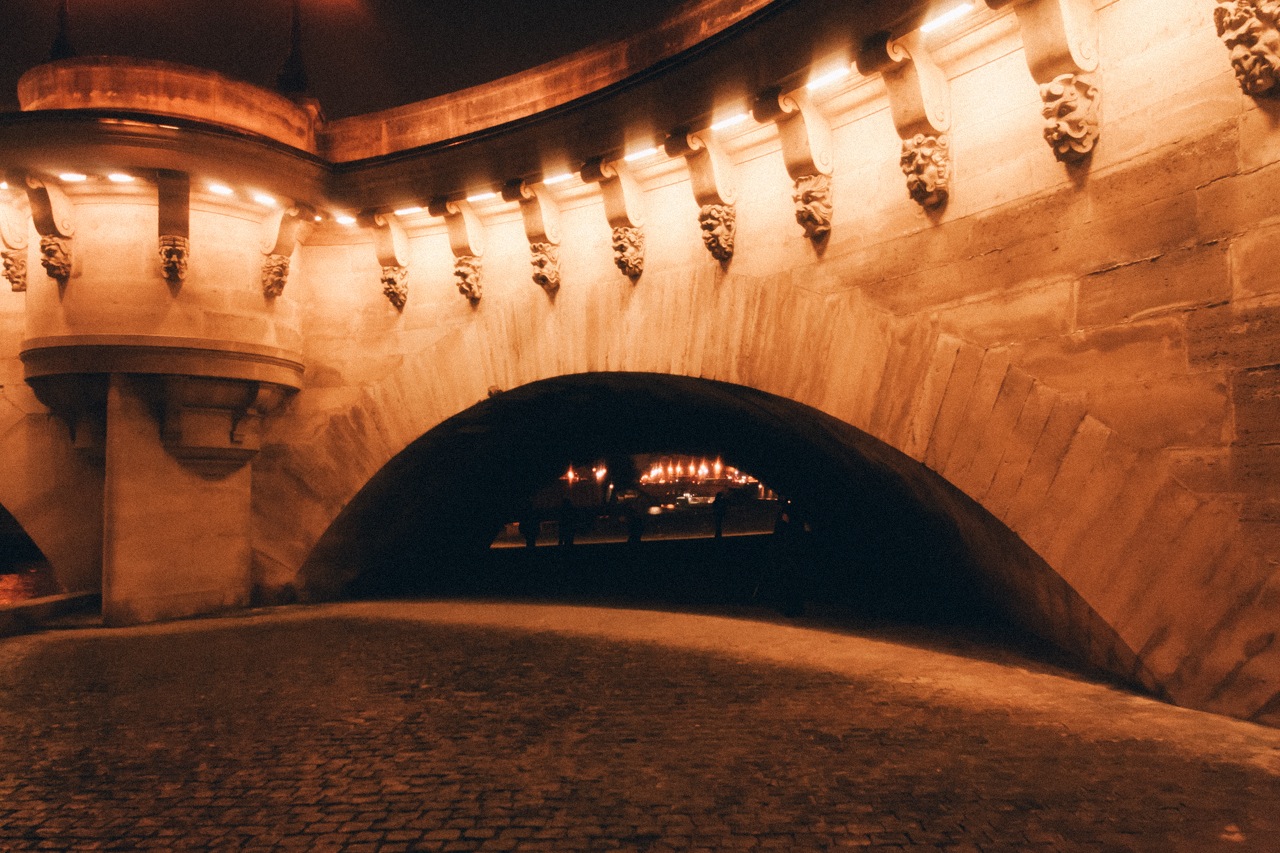
One guidebook claims that the oldest bridge in Paris looks exactly as it did when it opened in 1606, which seems hard to imagine since not a single stone of the original bridge remains, motor vehicles were invented, and Haussman happened. The bridge was begun in1574 by Henry III, though his successor, Henry IV, took credit for its construction and is the one to still sit atop a cheval de bronze atop the bridge. The bridge was quite different from the typical bridges of its time as it was paved and it didn’t have overhanging houses. This was because the Ponte-Neuf was paid for by the King (Paris’ tax money) and didn’t require rent payment to fund its construction as was required by so many of the Ponte-Neuf’s peers. The bridge was bustling in its early days and a German traveller recorded a delightful little saying that there was “not ever a moment of the day on which one did not see a carriage, a white horse, a priest and a prostitute” on the bridge.
Conciergerie
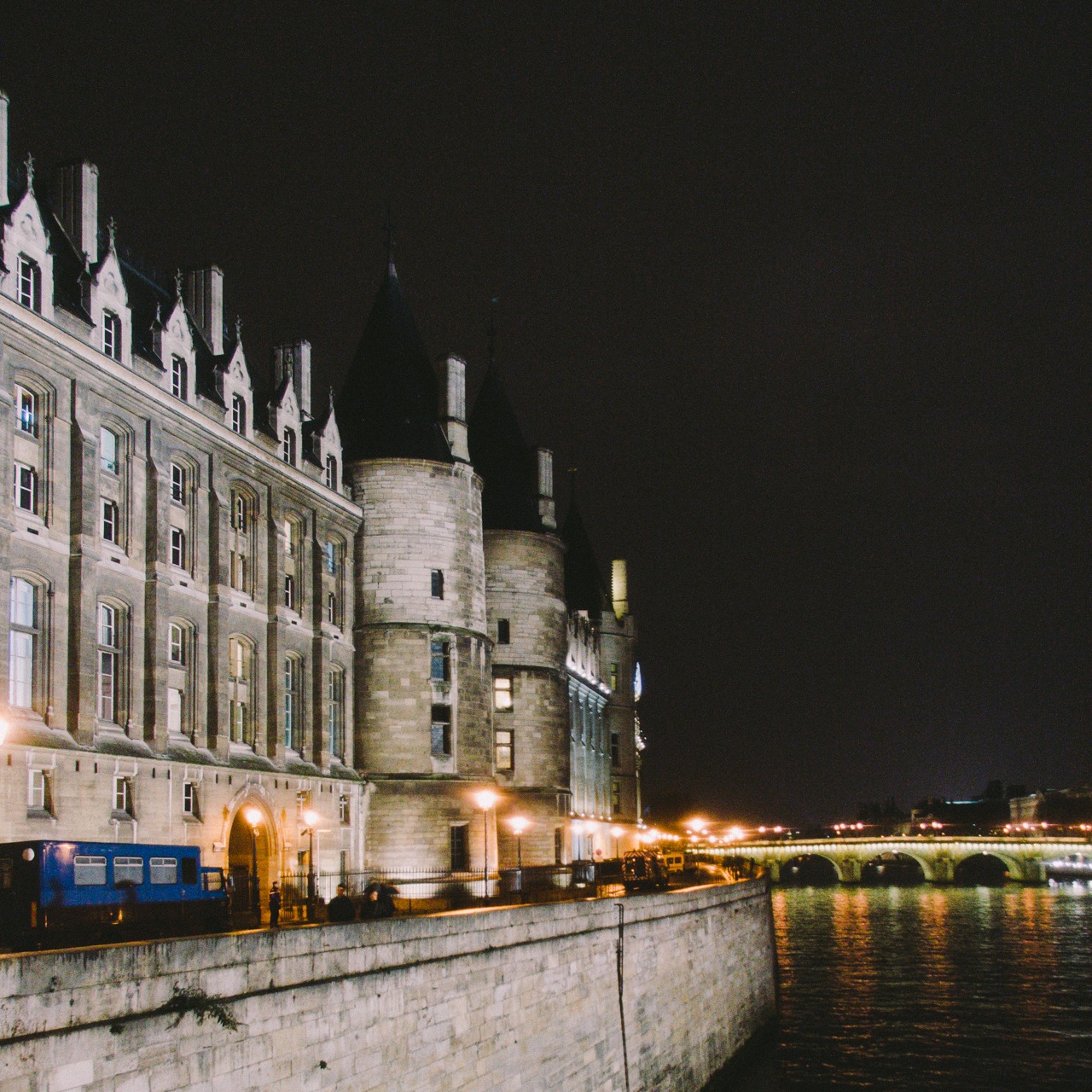
One of the most historic buildings in Paris, it was a medieval palace turned prison, was to Paris what the Tower is to London, and today is a part of the Palais of Justice and a tourist attraction. During the Revolution, it was the last stop for prisoners and was dubbed “the antechamber to the guillotine.” It is here that Marie Antoinette awaited trial and execution, where the citizen Evremonde, called Darnay, did the same, Charlotte Cordray spent her last earthly hours in a Conciergerie cell, as did the Madame du Barry, and 2,698 others during the Revolution. A few, including Thomas Paine, lived to tell the tale of imprisonment there. After the revolution, the Conciergerie remained a prison for the elite and Napoleon III was imprisoned there. It underwent quite a bit of reconstruction in 1858 to alter its exterior. Marie Antoinette’s cell was also turned into a chapel in her honor. The French sure do know how to love to hate.
Sainte Chappelle
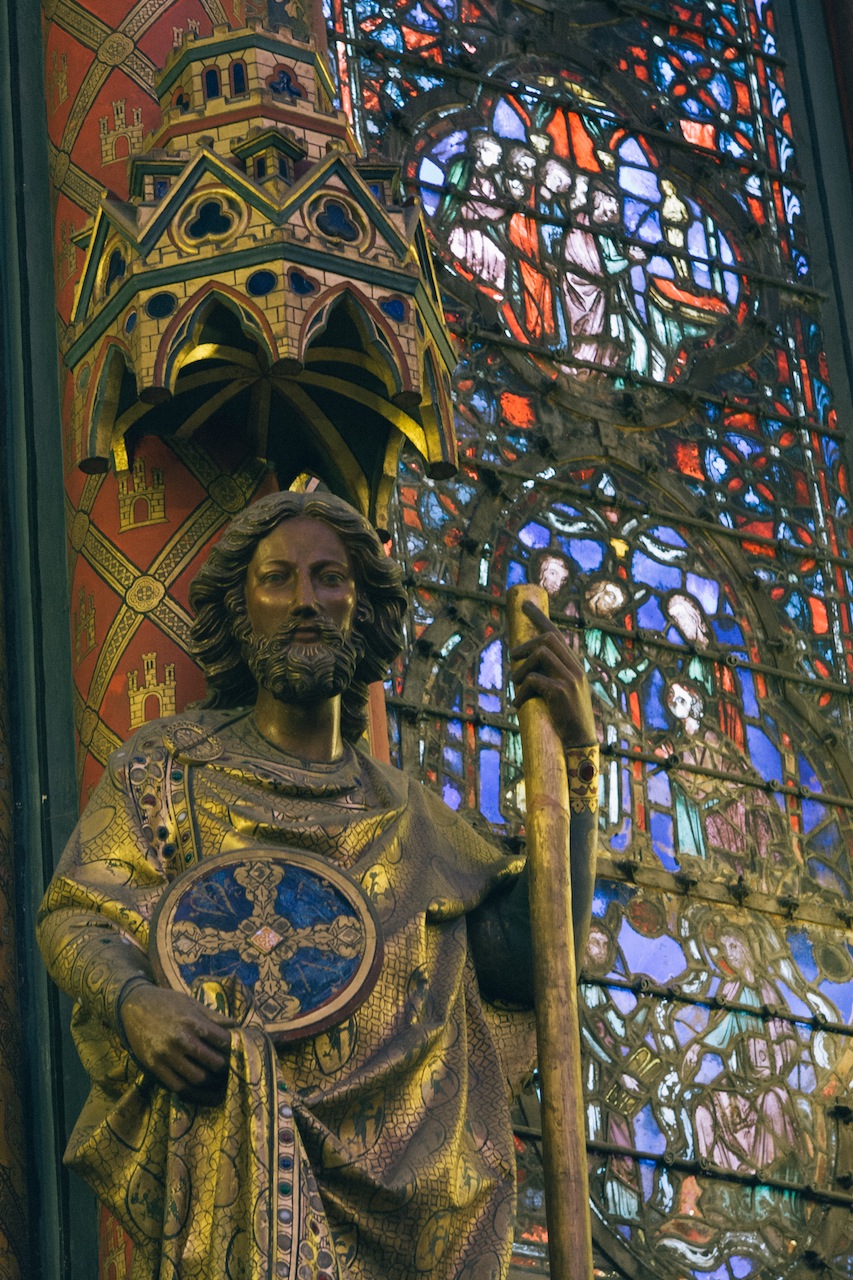
Originally built to house the Crown of Thorns by Louis XI/Sainte Louis in 1245. It suffered quite a bit of damage during the Revolution and its relics were removed, but was restored and rededicated as a Church in 1837. The restoration by Eugene Viollet de Duc is supposed to be historically accurate and nearly 2/3 of the remarkable stained glass are the same. This is a really beautiful Medieval Church and I had definitely not seen anything like it. It is tiny, but vibrant and striking.
Notre Dame
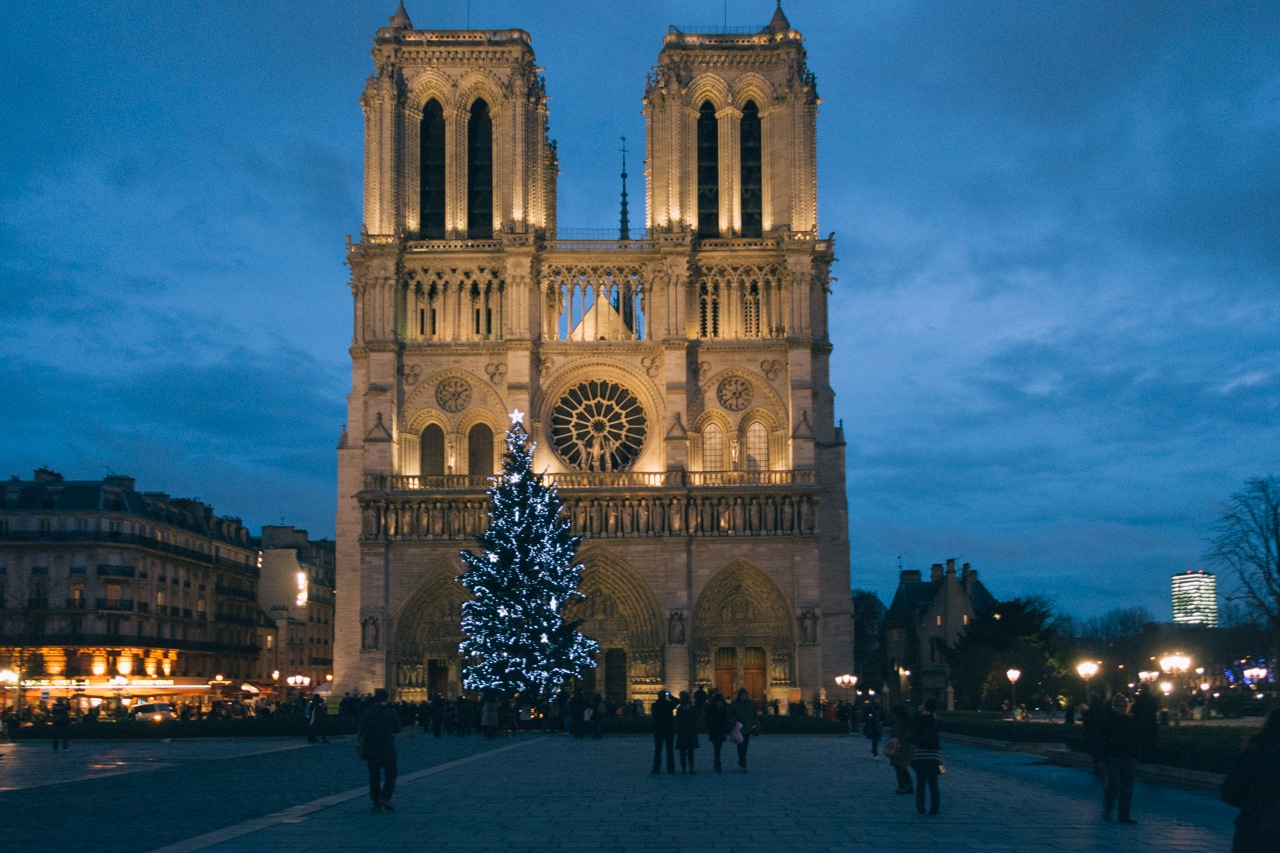
The quintessential and trend setting Gothic cathedral was built in 1163 as a replacement for the Sainte-Etienne Cathedral which had itself replaced a sacred Roman pagan worship grounds. As Paris became the center of France, the Cathedral became the primary Church and became the royal family’s parish church. The Cathedral had a bad time of it, as many religious and aristocrat buildings did, during the Revolution. As an example, statues of Saints, thought to be statues of Kings, were beheaded and destroyed by revolutionaries. Eugene Viollet le Duc was brought in to rebuild and restore the Church, which he did along with some creative additions to make the Notre Dame more Gothic and up to the standards romanticized in Hugo’s novel. It is the site of Napoleon’s famous self-coronation.