Latin Quarter
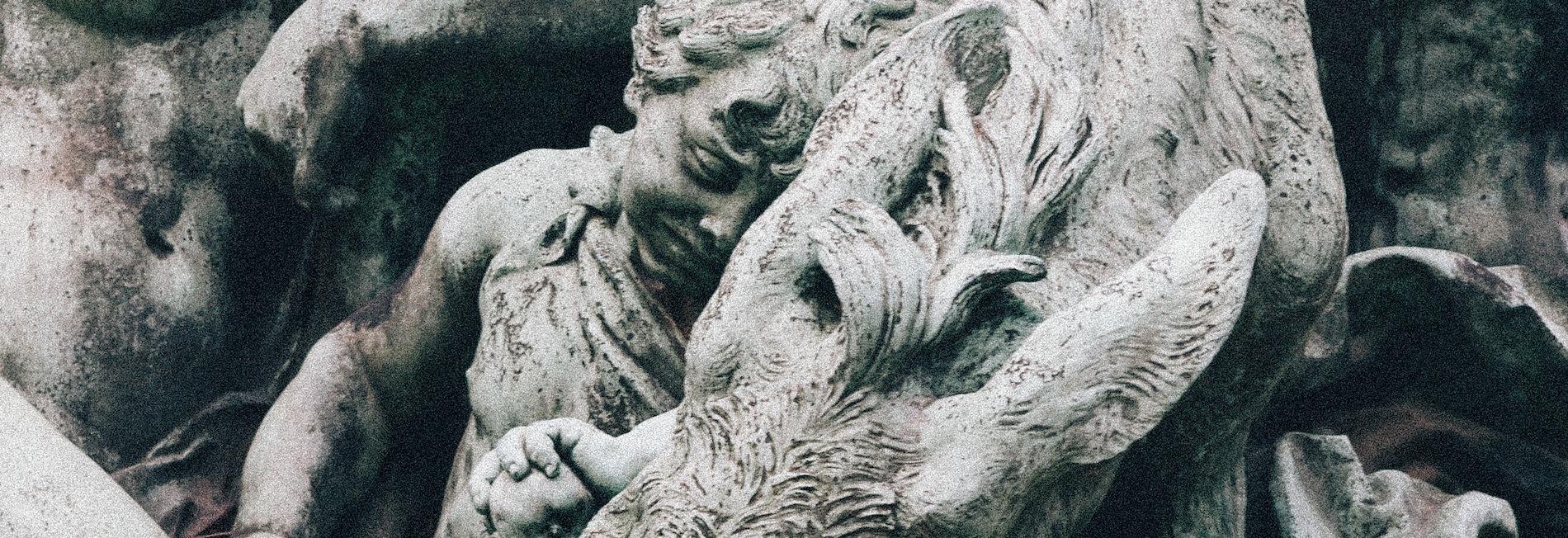
Mary will be residing nearby in the 5th arrondisment in the Latin Quarter on the historic Left Bank (the southern bank of the Seine) or La Rive Gauche. The Latin Quarter was so named as because Latin was so frequently spoken in the area around the Sorbonne.
Food
(62 Rue Mouffetard)
Hailed as the best crepes in Paris – I’ll have to found out where I read that
(1 Place St Michel)
Sites
Sorbonne
(University of Paris)
One of the earliest Universities established in Europe and the first in Paris, it was founded in the mid12th century and received its official Church charter in 1200. It was founded by Robert de Sorbon who was Saint Louis’ confessor and was originally intended to teach theology to poor students. The school Motto is Hic et ubique terrarium or Here and anywhere on Earth, which of course Paris and its university are the center of. It has carried a reputation for being a top university since the 12th century when it was heralded as the pre-eminent source of education and future popes and kings were educated there.
Pantheon
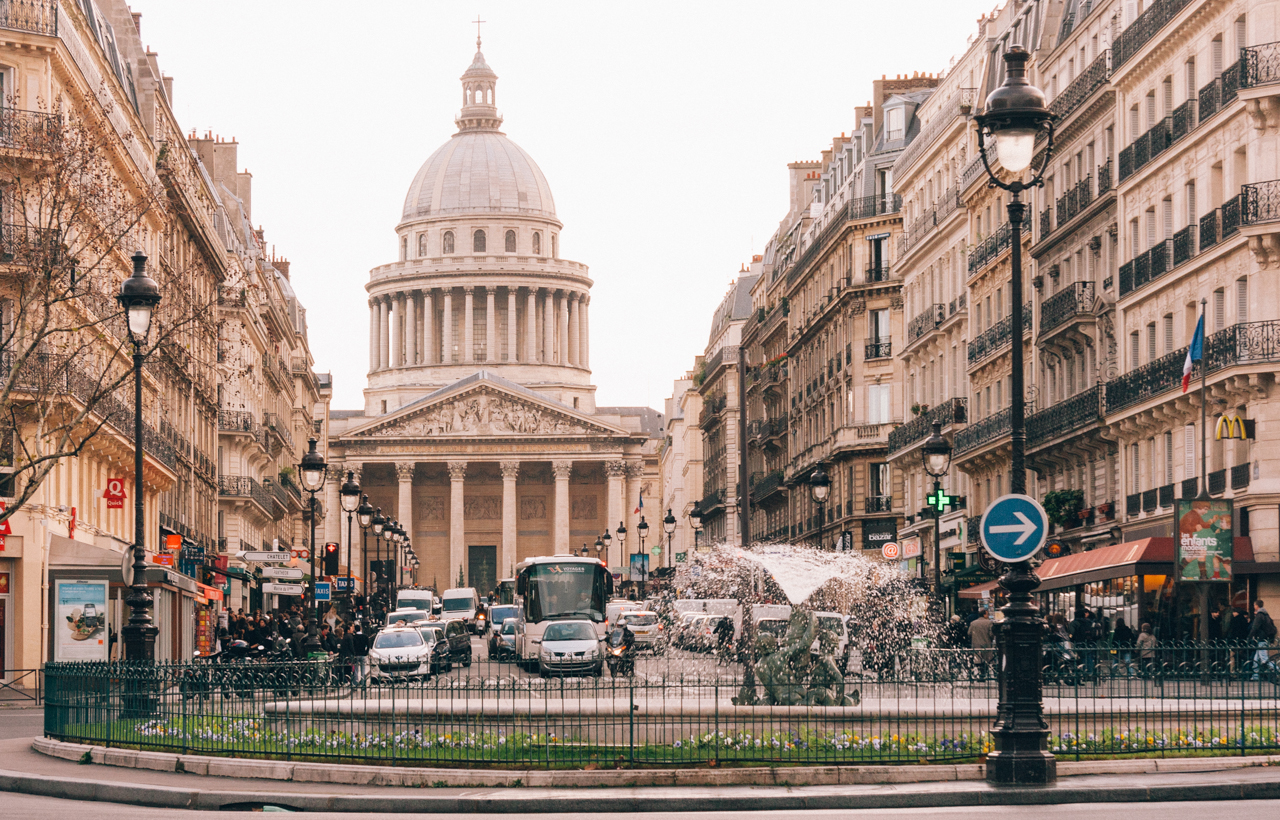
Louis XV originally intended for it to be a church dedicated to Saint Genevieve, but at is it wasn’t completed until 1790 and he died in 1774, Louis XV’s intentions were obsolete and it became a mausoleum for some of Paris’ greatest geniuses. For examples, Hugo, Zola, Voltaire (they double checked, and he’s still in there), Curie, and Rousseau are all buried there. It was also the site for Foucault’s little pendulum experiment and where the real deal original Thinker ruminated for several years.
Place Saint Michel and Fontaine Saint Michel
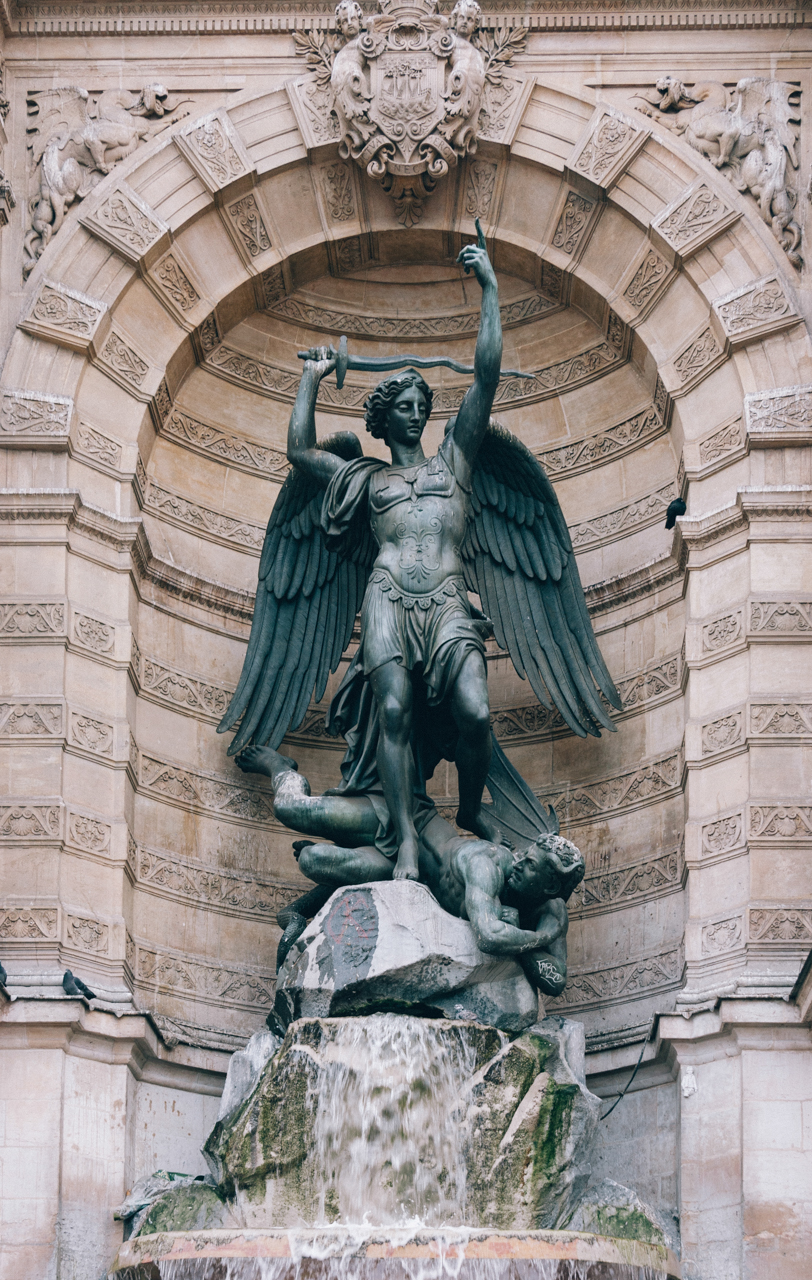
The fountain was created by Gabriel Davioud from 1855-1860 and was originally intended to include a lady statue of Peace, which was, naturally, superseded by a monument to Napoleon Bonaparte instead. That idea was a bit controversial, but as everyone loves dragons and saints, it was instead decided that the fountain would depict Saint Michael gloating over his defeat of the devil while dragons hang out and spit. The construction of the fountain was another step in the Haussmanization of Paris and the large boulevard leading up to the fountain and the square itself were expanded as part of the project. Later, the monument was the site of several clashes between the Germans and the Resistance and plaques now commemorate those that died there.
Saint-Severin
This Gothic church can be found, unsurprisingly, on Saint-Severin street, which is quite touristy, and it is one of the oldest churches on the Left Bank. It was built from 1210-1230 and then reconstructed in 1458 taking on more and more features from the inspiration of the neighboring Notre Dame. Many notable architects worked on its renovations over the years including Mansart, who built the Communion Chapel in 1673. It is named for the devout Parisian recluse who is buried there.
Musee de Cluny/ Musee National du Moyen Age
(6 Place Paul Painleve, every day except Tuesday 9:15-5:45)
Paris’ Medieval Musem is located in the Hotel de Cluny, which originally housed the abbots of Cluny and there have been many historic occupants including Mary Tudor and Mazarin, who was succeeded as the Chief Minister of France by Cardinal Richelieu. It was an extensive collection of tapestries including the Lady and the Unicorn tapestries.